Jibal promotes equitable access, participation, and fair distribution of benefits and burdens in energy systems, by prioritizing clean, affordable energy access for all, especially vulnerable populations, through fair decision-making and addressing systemic inequities in the transition to new energy sources.
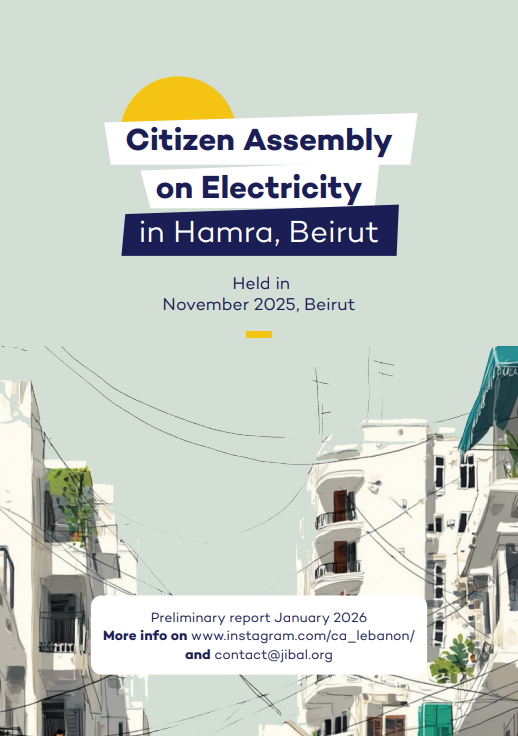
Citizens’ Assembly on Electricity and Energy Justice
The Citizens’ Assembly (CA) on “Energy and Electricity Justice in Hamra” was held over three sessions in November 2025 in Hamra, Beirut. It was organized by Jibal, with methodological guidance from University College London, and built on the first Hamra Citizens’ Assembly on energy justice conducted in 2020.
Since the first assembly, Lebanon’s energy context has changed dramatically. Public electricity provision declined further, fuel subsidies were removed, and diesel shortages led to prolonged power cuts and rising costs. While some households turned to private generators or solar systems – achieving partial or full energy autonomy – others lost access to electricity altogether, alongside worsening air pollution and growing inequality.
In response, the second assembly aimed to assess the current energy situation, introduce participants to alternative energy models, and define shared priorities for energy justice in Hamra. Thirty-five randomly selected residents took part in a structured process of learning, deliberation, and democratic decision-making to answer the central question: how can communities collectively reduce the cost, pollution, and mental burden of electricity on daily life?
More details on the process, recommendations, and key outcomes can be found in this short report.
المجلس المدني حول الكهرباء والعدالة الطاقية
عُقد المجلس المدني حول “العدالة الطاقية والكهربائية في الحمرا” على مدى ثلاث جلسات في نوفمبر/تشرين الثاني 2025 في الحمرا، بيروت. نظّمته جمعية جِبال، بإشراف منهجي من كلية لندن الجامعية، واستند إلى أول مجلس مدني في الحمرا حول العدالة الطاقية الذي أُجري عام 2020
منذ انعقاد المجلس الأول، تغيّر واقع الطاقة في لبنان بشكل جذري. فقد تراجع توفير الكهرباء العامة أكثر، وأُلغي دعم المحروقات، وأدّت أزمات نقص المازوت إلى انقطاعات طويلة للكهرباء وارتفاع التكاليف. وبينما لجأت بعض الأسر إلى المولدات الخاصة أو أنظمة الطاقة الشمسية – محققةً استقلالاً جزئياً أو كاملاً في الطاقة – فقدت أسر أخرى إمكانية الوصول إلى الكهرباء بالكامل، بالتوازي مع تفاقم تلوث الهواء وتزايد اللامساواة في موضوع الكهرباء
استجابةً لذلك، هدف المجلس المدني الثاني إلى تقييم الوضع الحالي للطاقة، وتعريف المشاركين بنماذج بديلة للطاقة، وتحديد أولويات مشتركة لتحقيق العدالة الطاقية في الحمرا. وقد شارك خمسة وثلاثون مقيماً تم اختيارهم عشوائياً في عملية منظّمة من التعلّم، والمداولات، واتخاذ القرار الديمقراطي للإجابة عن السؤال المحوري: كيف يمكن للمجتمعات أن تخفّض بشكل جماعي كلفة الكهرباء، والتلوث، والعبء النفسي المرتبط بها في الحياة اليومية؟
يمكن الاطلاع على مزيد من التفاصيل حول العملية، والتوصيات، والنتائج الرئيسية في هذا التقرير المختصر
A toolkit for organising participatory democracy processes in the Arab countries: Citizen Assemblies as a model (2026)
(En)Visioning Justice: Citizens’ Assemblies and Energy Futures in the Global South, UCL Urban Lab, with Jibal and Al-Bawsala
This toolkit aims to contribute to strengthening inclusive and participatory democratic practice in the Arab region. It builds on the growing success of citizen assemblies and deliberative practices globally but provides a global south perspective of the possible value and use of citizen assemblies in countries where democracy is generally curtailed.
This toolkit provides practical guidance and tools to individuals and groups interested in organising a CA in countries of the global south. It was created and adapted during the process of organising three citizens’ assemblies by the authors and partner organisations, Jibal in Lebanon and Al Bawsala in Tunisia, as well as colleagues in civil society who have contributed to workshops and consultations on the methodology and its alignment with the political realities of the Arab countries.
The guide has four sections:
Section 1 presents a theoretical and conceptual framing on the added value of citizens’ assemblies for Arab countries.
Section 2 elaborates on the governance model of bottom-up citizens’ assemblies, highlighting the partnerships needed across all its stages.
Section 3 is a step-by-step guide for designing the citizens’ assemblies, including setting the aim and remit, the recruitment strategy, the processes of learning, deliberation, and decision making, and the processes of documentation and evaluation.
Section 4 gives practical suggestion for post assembly follow-up, and the possibilities of assemblies to break political deadlock and expand collective imagination and learning.
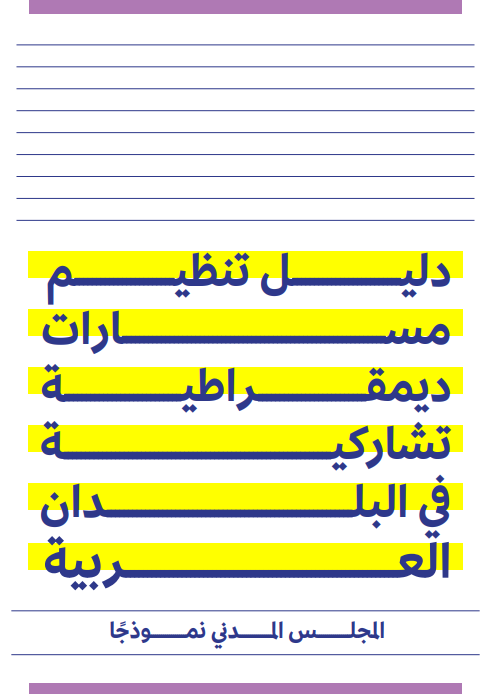
دليل تنظيم مسارات ديمقراطية تشاركية في البلدان العربية: المجلس المدني نموذجًا (2026)
برنامج المشاركة المجتمعية من أجل العدالة في مجال الطاقة في المنطقة العربية، المختبر الحضري، كلية لندن الجامعية مع جمعية جبال ومنظمة البوصلة
يهدف هذا الدليل إلى تعزيز الممارسة الشاملة التشاركية والديمقراطية في المنطقة العربية من خلال تقديم منهجية مجلس المواطنين والمواطنات أو المجلس المدني وآليات تنظيمه. يستند الدليل إلى النجاح المتزايد لما يسمى مجلس المواطنين والمواطنات (Citizens’ Assembly) والممارسات التشاورية والتشاركية حول العالم، لكنّّه يقدّّم مقاربة من منظور بلدان الجنوب لما لهذه المجالس واستخداماتها من منفعة محتملة في دول يتم عادةًً تقييد الديمقراطية فيها
يقدّّم هذا الدليل إرشادات عملية وأدوات للأفراد والمجموعات المهتمة بتنظيم مجلس مدني في البلدان العربية، بما في ذلك المجموعات الناشطة ومجموعات المناصرة، الممثلون/ات المنتخبون/ات، صنّّاع وصانعات السياسات، إلى جانب المنظمات غير الحكومية والأكاديمية والميسّرات والميسّرين المهتمين بتنظيم مسار تشاوري من هذا النوع
تم إعداد هذا الدليل وتطويره خلال عملية تنظيم ثلاث مجالس للمواطنين من قِبل المؤلفين والمنظمات الشريكة، جبال في لبنان والبوصلة في تونس، بالإضافة إلى زملاء من المجتمع المدني ساهموا في ورش عمل ومشاورات حول المنهجية ومدى توافقها مع الواقع السياسي للدول العربية
يتألف الدليل من أربعة أقسام: يقدم القسم الأول إطارًا نظريًا ومفاهيميًا حول القيمة المضافة للمجلس المدني في الدول العربية. ويتناول القسم الثاني نموذج حوكمة المجلس التشاركية، مُسلطًا الضوء على الشراكات اللازمة في جميع مراحلها. أما القسم الثالث، فهو دليل تفصيلي لتصميم المجلس، يشمل تحديد الهدف والنطاق، ومسارات التعلم والتداول واتخاذ القرار، بالإضافة إلى الاستقطاب والتوثيق والتقييم. ويقدم القسم الرابع اقتراحات عملية للمتابعة بعد انعقاد المجالس، وامكانية مساهمة هذه المجالس في كسر الجمود السياسي وتوسيع آفاق التخيل الجماعي والتعلم